Accueil » ISEM » History

History

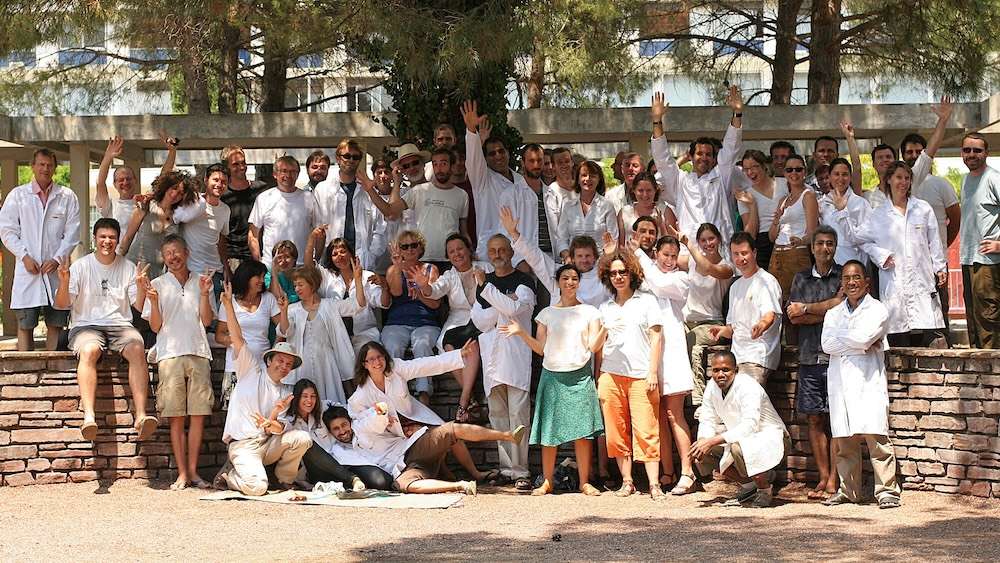
Photo de groupe qui rassemble une partie des membres de l'ISEM
Photograph of some ISEM members, given to Jean-Christophe Auffray (Director of ISEM, 2007–2013) on the occasion of his departure for Canada in July 2013 © Michel Raymond

ISEM: A Story of Daring and Scientific Passion

Founded in 1981 by the palaeontologist Louis Thaler, the Institute of Evolutionary Sciences of Montpellier, ISEM (French acronym) has established itself as a pioneering institution in the fields of evolutionary science and ecology. Its influence rests on the visionary commitment of researchers and faculty members who succeeded in creating a unique ecosystem combining world-class research and leading academic training.

The 1960s–1970s

Foundations

During the 1970s, at the head of the university’s palaeontology laboratory, Louis Thaler fostered an interdisciplinary dynamic centred on evolution, initiated the formation of an evolutionary genetics team, and strengthened the foundations of what would become Montpellier’s community of evolutionary sciences.

From Evolutionary Lineages to Genetic Diversity: A Structuring Scientific Shift

A New Centre of Expertise in Evolutionary Genetics

The First Initiatives Structuring Montpellier’s Ecology and Evolution Community

The 1980s

Emergence

In 1981, Louis Thaler founded the Institute of Evolutionary Sciences of Montpellier (ISEM) with the aim of bringing together disciplines concerned with evolution, and he served as its director throughout its first decade of existence.

The Birth of ISEM

ISEM Bridges the Past and Present

With Limited Means, ISEM Trains a Generation of Evolutionary Researchers

The 1990s

Influence and Reach

After the departure of Louis Thaler, the Institute of Evolutionary Sciences of Montpellier (ISEM) entered a phase of reorganisation under the leadership of Jean-Jacques Jaeger, marked by the dissemination of researchers into new institutions and the arrival of young talent. During the 1990s, the institute established itself as a major and dynamic centre for evolutionary biology in Montpellier and in France.

ISEM in the 1990s: Internal Consolidation and Institutional Dissemination

Rise of Integrative and Theoretical Approaches, and Modeling

ISEM as Leader of the Biology–Evolution–Environment Sector at University of Montpellier

The 2000s–2019

Maturity

From the 2000s onward, the scope of the Institute of Evolutionary Sciences of Montpellier (ISEM) expanded and its expertise diversified. Combining scientific excellence, international openness, and strong regional roots, it became a structuring force within the Montpellier research landscape and actively contributed to the major contemporary challenges of the evolutionary sciences.

Institutional Expansion and the Internationalization of ISEM

ISEM: Balancing Excellence, Support, and Collective Strength

ISEM in the Dynamics of the 2000s: Ecosystem, Training, and a Female Legacy

The ISEM History Committee

This account is the result of a collective effort initiated and overseen by the ISEM History Committee, composed of Pierre Olivier Antoine, Laurent Marivaux, Agnès Mignot, Nicole Pasteur, Michel Raymond, Carole Smadja, and Fadela Tamoune, with the text written by Jean-Christophe Auffray. It pays tribute to all members—past and present—as well as to the many witnesses whose contributions enriched the memory of ISEM and helped to transmit this scientific adventure.
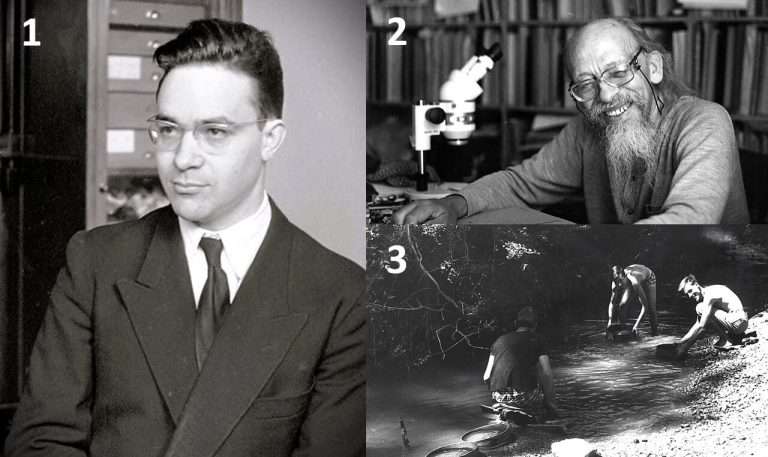
1) Louis Thaler dans les années 50 2) René Lavocat dans les années 70 3) Les paléontologues J tamisant les sédiments dans le Lez
1) Louis Thaler in the 1950s ©All rights reserved ✦ 2) René Lavocat in the 1970s ©All rights reserved ✦ 3) Palaeontologists Jean-Claude Ledoux, Jean Sudre, and Jacques Michaux sieving sediments in the Lez River (1974) ©All rights reserved

From Evolutionary Lineages to Genetic Diversity: A Structuring Scientific Shift

Immediately after graduating from the École Normale Supérieure, Louis Thaler spent 1956–1957 in the Department of Geology and Paleontology at the American Museum of Natural History, where he worked alongside George G. Simpson, one of the architects of the modern evolutionary synthesis. Recognising the scientific implication of this synthesis, he became convinced of the need to break down disciplinary boundaries in order to better understand biological evolution.

During the 1960s, he founded and developed the vertebrate palaeontology unit within the Faculty of Sciences of Montpellier (which became the University of Science and Technology of Languedoc (USTL) in 1969), with decisive support from René Lavocat, a specialist in fossil rodents at the École Pratique des Hautes Études (EPHE). Thaler introduced screen-washing techniques in France acquired during his stay in the United States, paving the way for a genuine methodological revolution in the study of fossil microvertebrates. From then on, the team produced numerous major works on the evolutionary lineages of rodents, with important implications for biostratigraphy. The success of this research led, as early as 1971, to the affiliation of the Vertebrate Palaeontology Laboratory with the National Centre for Scientific Research CNRS (Earth Sciences division).

Having become a full professor, Thaler returned to his ambition of integrating the sciences of evolution. In 1974, he invited Nicole Pasteur, a young geneticist recruited two years earlier by the CNRS to work in Ernest Boesiger’s laboratory at USTL, to join him in establishing an electrophoresis laboratory for the study of rodents. She agreed, on the condition that she could continue her recent and promising work on insecticide resistance in mosquitoes. This became possible through her temporary attachment to Professor Jean-Antoine Rioux’s Laboratory of Medical Ecology and Parasitic Pathology at the Faculty of Medicine.

This dynamic was further strengthened in 1975 when Pasteur and Thaler founded the Electrophoresis Laboratory of the Centre for Research on Evolution and its Mechanisms (CEREM), alongside the Palaeontology Laboratory. They were soon joined, in 1977, by the Ecology Laboratory established by Henri Croset, who also came from the laboratory of J.-A. Rioux.

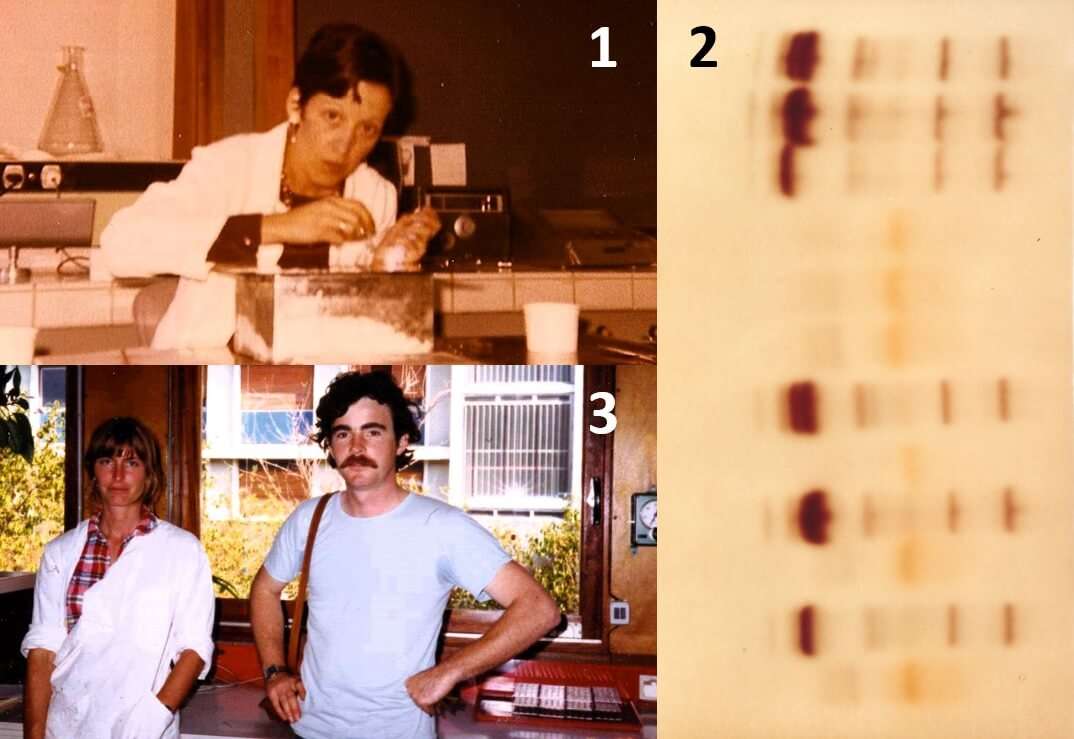
1) Nicole Pasteur en 1974 , 2) Janice Britton-Davidian et François Bonhomme en 1981, Premier gel d’électrophorèse révélant deux espèces de rongeurs réalisé par Nicole Pasteur et Janice Britton-Davidian en 1975
1) Nicole Pasteur in 1974 ©Eric de Stordeur ✦ 2) Janice Britton-Davidian and François Bonhomme in 1981 ©All rights reserved ✦ 3) First electrophoresis gel run by Nicole Pasteur and Janice Britton-Davidian revealing two rodent species (1975) ©Nicole Pasteur

A New Centre of Expertise in Evolutionary Genetics

During the 1970s, evolutionary genetics was an emerging discipline, still little developed in Montpellier laboratories. Aware of the work on population genetics through protein electrophoresis, developed after 1966, Thaler understood the value of these methods for confronting so-called “vertical” approaches (mode and tempo of evolution through fossil lineages) with “horizontal” approaches (intra- and interspecific diversity, species concepts), thus enabling a better understanding of the biological content of evolutionary lineages.

He therefore intended to organise this convergence around the rodent model. However, Nicole Pasteur’s wish to continue her work on mosquito insecticide resistance broadened the scope of investigation of the new laboratory. From its creation, the Electrophoresis Laboratory thus pursued a dual path: understanding evolutionary mechanisms, and diversifying biological models. These two founding orientations would later underpin ISEM’s success. At the same time, diversification of models also became clearly established in palaeontology, both from a taxonomic perspective (rodents, primates, bats, artiodactyls, sharks, etc.) and across regions and periods.

The laboratory’s rodent-oriented programme took shape with the arrival of two young researchers alongside Nicole Pasteur: Janice Britton-Davidian and François Bonhomme. Their work on evolutionary processes in mice enriched the laboratory’s conceptual and methodological tools, and marked the beginning of cytogenetic and molecular approaches to evolution that would later flourish at ISEM.

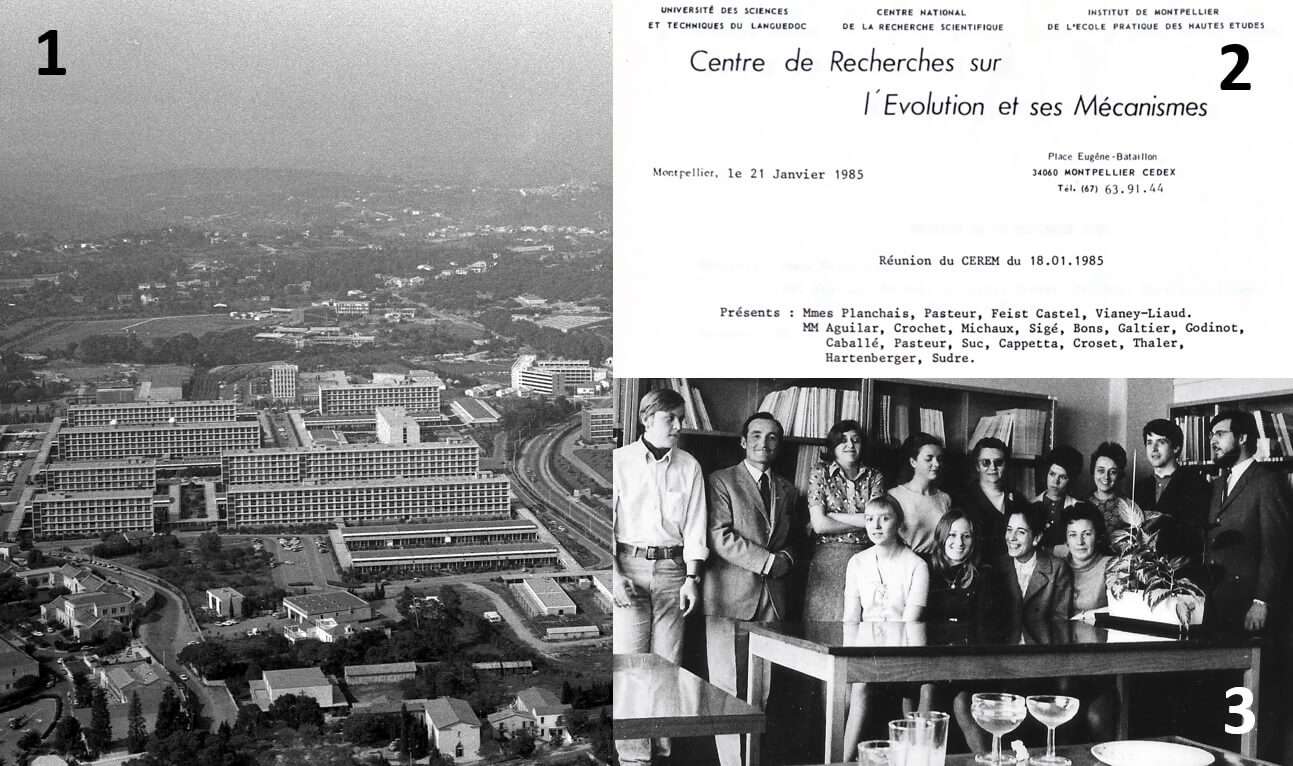
1) Photo aérienne du Campus Triolet de la Faculté des Sciences de Montpellier dans les années 60 2) Compte-rendu d’une réunion du CEREM 3) Le laboratoire de Palynologie en 1972 (de gauche à droite, en haut : Philippe Raz, Jean Maley, Claire Millerand, Elise Van Campo, Madeleine Van Campo, Danièle Duzer, Danièle Lobreau-Callen, Josef Sivak, Pierre Richard ; en bas : Anne-Marie Biglione, inconnu, Geneviève Cambon, Jacqueline Chambon)
1) Aerial photograph of the Triolet Campus, Faculty of Sciences of Montpellier in the 1960s ©Claude Requirand ✦ 2) Minutes of a CEREM meeting ✦ 3) The Palynology Laboratory in 1972 left to right, top row: Philippe Raz, Jean Maley, Claire Millerand, Elise Van Campo, Madeleine Van Campo, Danièle Duzer, Danièle Lobreau-Callen, Josef Sivak, Pierre Richard; bottom row: Anne-Marie Biglione, unknown, Geneviève Cambon, Jacqueline Chambon ©Michel Pons

The First Initiatives Structuring Montpellier’s Ecology and Evolution Community

At the beginning of the 1970s, the study of evolution at the University of Science and Technology of Languedoc (USTL) relied mainly on palaeosciences: palaeontology, palaeobotany and palynology. A turning point came in 1972 with the setting up, by Ernest Boesiger (CNRS, formerly based in Gif-sur-Yvette), of the Laboratory of Experimental Population Genetics, which soon enabled the recruitment of Nicole Pasteur by the CNRS during its first months of activity. Earlier, in 1966, the CNRS had established the Centre for Research in Macromolecular Biochemistry (CRBM), directed by Émile Zuckerkandl, pioneer of the molecular clock. This centre later hosted Nicole Pasteur’s electrophoresis research after she left Boesiger’s laboratory in 1974. The Centre for Phytosociological and Ecological Studies (CEPE) of the CNRS (which became the Centre for Functional and Evolutionary Ecology (CEFE) in 1989), created in 1961, hosted a small ecological genetics team led by Georges Valdeyron of the National School of Agronomy at Grignon, working on fig trees and thyme.

In 1972, the creation of Centre for Research on Evolution and its Mechanisms (CEREM) marked a key stage in the multidisciplinary structuring of evolutionary sciences in Montpellier. Headed by Thaler, CEREM brought together teams from USTL, EPHE and CNRS in palaeontology, palaeobotany, palynology, genetics, ecology, biogeography and organismal biology. It also established a specialised library, which became a central resource for the community, followed in 1975 by the CEREM Electrophoresis Laboratory.

In 1973, the “sandwich seminars” were launched. Held at lunchtime, they brought together all Montpellier teams involved in evolutionary research. Researchers met regularly, making these gatherings the first scientific exchange platform dedicated to evolution. In 1982, these seminars became the “Tuesday Meetings”, later the Montpellier Ecology and Evolution Seminars (SEEM), still active half a century later—and still held at lunchtime.

At the end of the 1960s, Thaler set another milestone with the launch of the postgraduate diploma (DEA) in Palaeontology. Among its earliest cohorts were Henri Cappetta (1967–1968) and Jean-Pierre Suc (1969–1970), who would later become CNRS palaeontologist and palynologist respectively, both assigned to ISEM. In 1978, this programme became the DEA in Palaeontology, Biosystematics and Evolution, the direct ancestor of today’s Darwin Master’s track, which firmly embedded evolution in Montpellier’s academic curricula.

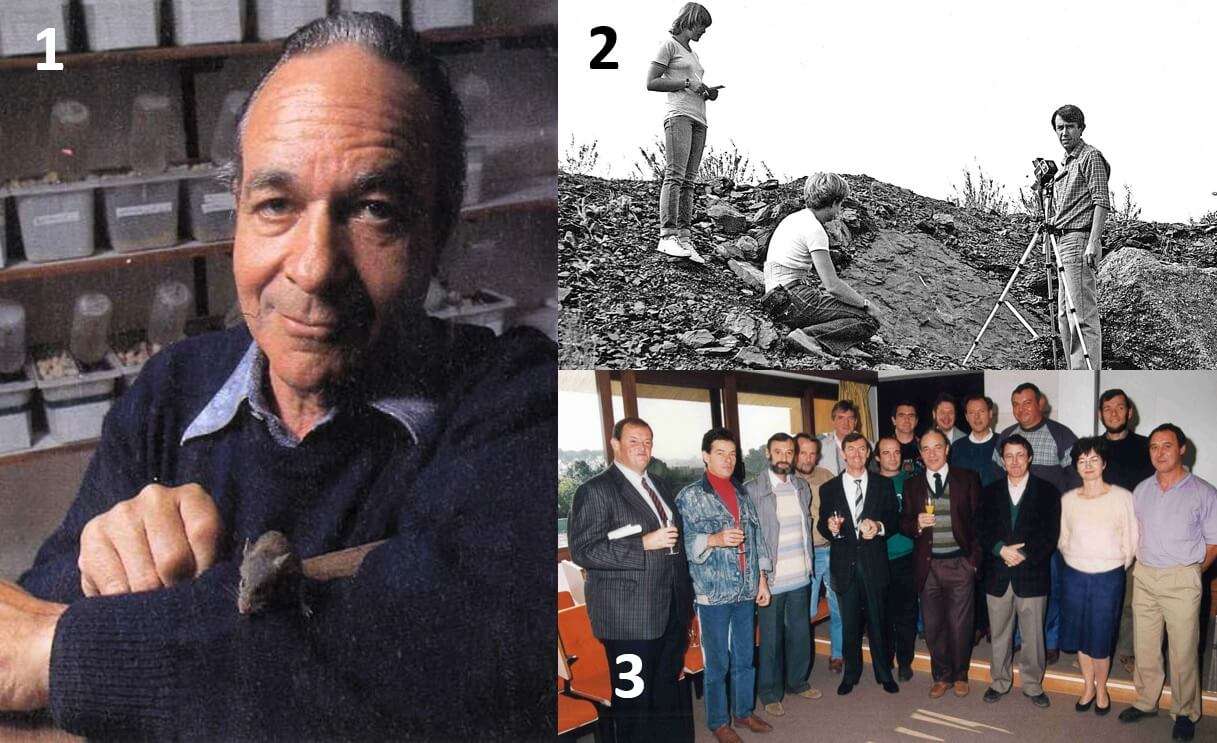
1) Louis Thaler dans les années 80 ©DR 2) L’équipe de paléobotanique sur le terrain (de droite à gauche : Brigitte Meyer-Berthaud, John Holmes, Jean Galtier) en 1985 3) Equipe de Paléontologie en 1988 à l’occasion de la remise de la médaille de bronze du CNRS à Henri Cappetta (de gauche à droite, en bas : Jean-Jacques Jaeger, Jean-Yves Crochet, Claude Requirand, Bernard Sigé, Henri Cappetta, Bernard Marandat, Louis Thaler, Jean-Louis Hartenberger, Monique Vianey-Liaud, Jean-Pierre Aguilar ; en haut : Jean Sudre ; Bernard Orth, Serge Legendre, Jacques Michaux, Lucien Combes, Jean-Marie Leroux
1) Louis Thaler in the 1980s ©All rights reserved ✦ 2) The palaeobotany team in the field right to left: Brigitte Meyer-Berthaud, John Holmes, Jean Galtier, 1985 ©Brigitte Meyer-Berthaud ✦ 3) Palaeontology team in 1988 during the presentation of the CNRS Bronze Medal to Henri Cappetta (from left to right, bottom row: Jean‑Jacques Jaeger, Jean‑Yves Crochet, Claude Requirand, Bernard Sigé, Henri Cappetta, Bernard Marandat, Louis Thaler, Jean‑Louis Hartenberger, Monique Vianey‑Liaud, Jean‑Pierre Aguilar; top row: Jean Sudre, Bernard Orth, Serge Legendre, Jacques Michaux, Lucien Combes, Jean‑Marie Leroux) ©Henri Cappetta

The Birth of ISEM

In 1980, one year before ISEM was founded, the Laboratory of Vertebrate Evolution brought together teams in palaeontology, genetics, and ecology. It was temporarily joined by a socio-ecology team led by Pierre Jouventin (from the National Centre for Scientific Research, CNRS), initially intended to become part of the ecology component, but which remained only briefly within this framework (1978–1985). At the same time, the Laboratory of Palaeobotany and Plant Evolution, founded at the University of Science and Technology of Languedoc (USTL) by Louis Grambast (1927–1976) and later directed by Jean Galtier, and the Palynology Laboratory, created and led by Madeleine Van Campo (1920-2017), shared with the Laboratory of Vertebrate Evolution an approach integrating both living and fossil material. Building on this methodological convergence, and in a context made more favourable by his role as president of the University between 1978 and 1983, Louis Thaler founded in 1981 the CNRS Associated Research Unit named the Institute of Evolutionary Sciences of Montpellier (ISEM), by bringing these three laboratories together.

At its creation, ISEM was reorganised into six teams: vertebrate palaeontology (led by Thaler), genetics (Nicole Pasteur), palaeobotany (Galtier), palynology (Van Campo), ecology (Henri Croset), and socio-ecology (Jouventin). According to Thaler, interdisciplinarity had to be built upon highly qualified teams, each excelling in its own field. This grouping enabled official recognition by the university, the CNRS, and the École Pratique des Hautes Études (EPHE) of the need to associate research on living and fossil organisms in order to better understand the mechanisms of evolution.

ISEM was joined in the mid-1980s by the Tropical Ecology Laboratory of Francis Hallé. In 1985, at Thaler’s invitation, Bernard Delay, then a CNRS researcher in Moulis, joined ISEM. Four years later, he became its first deputy director. Later in his career, Delay would direct the CEFE from 1996, then create in 2005 the CNRS Department of Environment and Sustainable Development (EDD), which became in 2010 the Institute of Ecology and Environment (INEE), before being renamed CNRS Ecology and Environment in 2023. From 2013 to 2021, INEE was directed by Stéphanie Thiébault, who as a young anthracologist had completed her PhD and been recruited at ISEM in 1988 in the team of Jean-Louis Vernet.

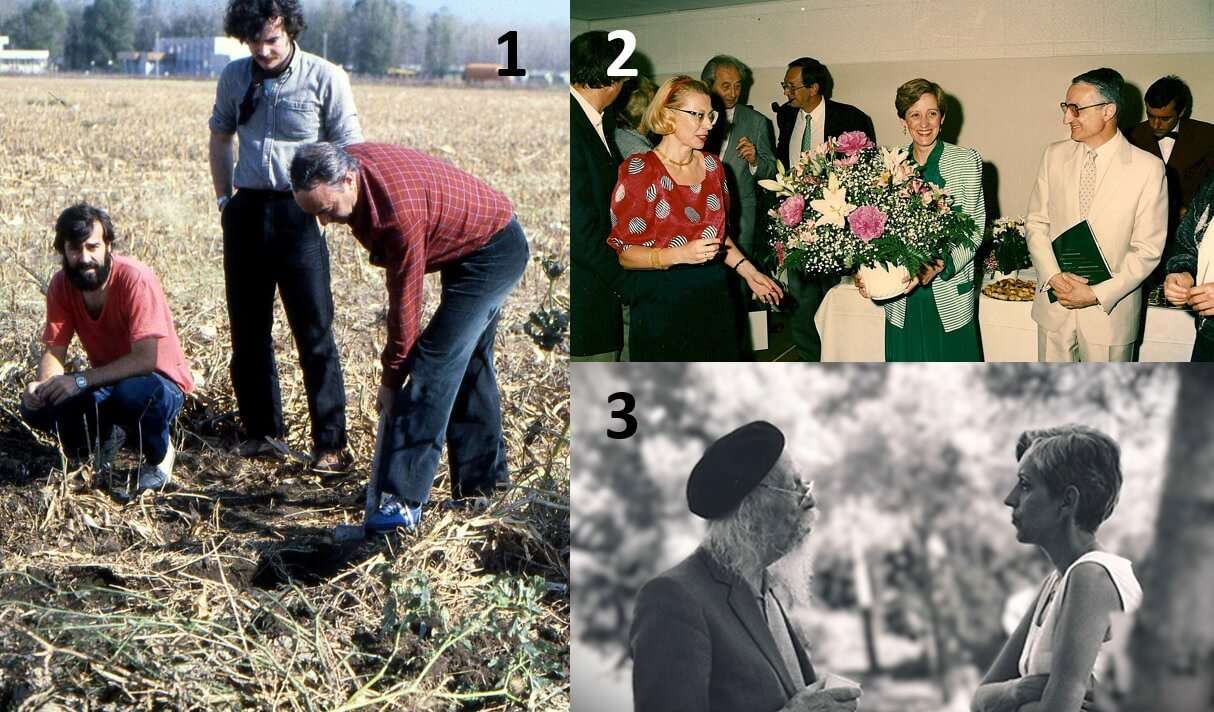
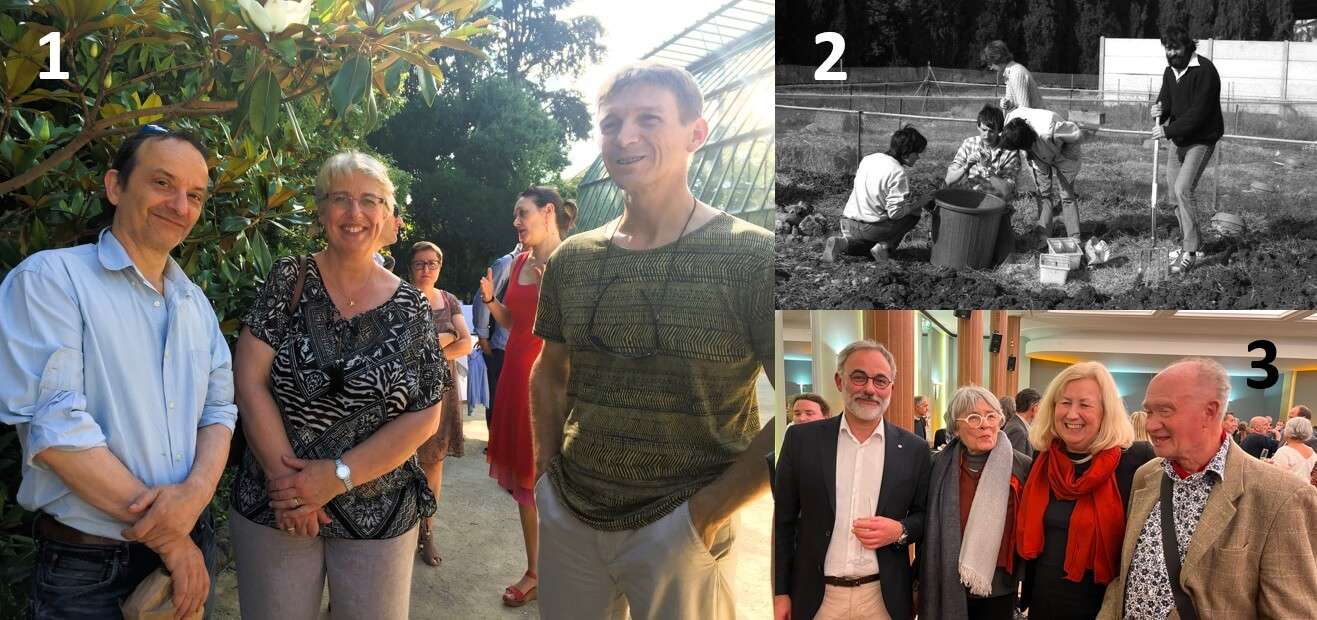
1) Une génération de chercheurs formés à l’ISEM : Michel Raymond, Flavie Vanlerberghe (directrice du CBGP de 2011 à 2019), Philippe Jarne (Directeur du CEFE de 2011 à 2014) 2) Expérimentation en enclos de l’équipe d’écologie : Odile Pouliquen, Jean-Christophe Auffray, Laurent Granjon, inconnu, Jacques Cassaing (1984) 3) Les quatre directeurs successifs de l’INEE CNRS : Stéphane Blanc, Françoise Gail, Stéphanie Thiébault et Bernard Delay, ces deux derniers ont été chercheurs à l’ISEM
1) Field work in Bulgaria involving, from left to right, the ecology team (Jacques Cassaing), genetics team (François Bonhomme), and palaeontology team (Louis Thaler) ©Claude Requirand ✦ 2) Nicole and Georges Pasteur during the award ceremony of Nicole Pasteur’s CNRS Silver Medal ©CNRS Occitanie Est Regional Delegation ✦ 3) René Lavocat and Nicole Pasteur in the 1990s ©Janice Britton-Davidian

ISEM Bridges the Past and Present

In 1980, funding from the CNRS-CNEXO Priority Thematic Action on the biological bases of aquaculture (CNEXO being the former name of Ifremer) enabled Nicole Pasteur and her group to rapidly expand the Genetics Laboratory at ISEM. From 1982 to 1986, Louis Thaler, then president of Section 32 of the CNRS National Committee (Population and Ecosystem Biology), actively promoted within the national community, and beyond, the use of genetic tools to study relationships between populations and species. ISEM thus became a major centre for the study of genetic polymorphism across a wide diversity of organisms: rodents, fish, reptiles, insects, mollusks, crustaceans, and more. Several models became emblematic of the early years of evolutionary biology in France: adaptive radiation in mice, insecticide resistance in mosquitoes, reproductive systems of freshwater gastropods, and fish biogeography. The 1980s at ISEM, as in the international scientific community, were marked by the intense controversy between neutralism and selectionism, a debate that influenced many of the models under study.

Despite initially limited interaction between teams or disciplines within ISEM, certain shared models, such as mice, fostered common dynamics. The group of François Bonhomme, with the support of Gérard Roizès from the CRBM, introduced the first molecular analyses (mitochondrial DNA, PCR), while Janice Britton-Davidian explored cytogenetics. In 1986, the arrival of François Catzeflis, trained under Charles G. Sibley at Yale University, introduced DNA-DNA hybridization. The rise of molecular phylogeny, by renewing our understanding of evolution, encouraged fruitful conceptual exchanges between biologists and palaeontologists. The dialogue between the past and the present was also a cornerstone of the palynology team led by Madeleine Van Campo. By combining fossil data with modern observations to refine pollen interpretation, this team developed vegetation-climate transfer models that profoundly renewed Quaternary palaeoenvironmental reconstructions. Within the Palaeobotany team, the groups of Jean Galtier and Jean-Louis Vernet, each leaders in their field, stood out for the breadth of their chronological coverage: from the study of the earliest ferns and seed plants of the Carboniferous, providing new insight into the evolution of primitive terrestrial ecosystems, to the development of anthracology to reconstruct plant landscapes and human-environment interactions during the Quaternary.

In 1981, the palaeobotanist John Holmes became the first ISEM member to receive a CNRS distinction, being awarded the Bronze Medal. The palaeontologist Henri Cappetta was similarly honored in 1988. The first Silver Medal awarded to a researcher from the institute went in 1987 to Nicole Pasteur, followed in 1989 by Jean-Jacques Jaeger.

1) Une génération de chercheurs formés à l’ISEM : Michel Raymond, Flavie Vanlerberghe (directrice du CBGP de 2011 à 2019), Philippe Jarne (Directeur du CEFE de 2011 à 2014) 2) Expérimentation en enclos de l’équipe d’écologie : Odile Pouliquen, Jean-Christophe Auffray, Laurent Granjon, inconnu, Jacques Cassaing (1984) 3) Les quatre directeurs successifs de l’INEE CNRS : Stéphane Blanc, Françoise Gail, Stéphanie Thiébault et Bernard Delay, ces deux derniers ont été chercheurs à l’ISEM
1) A generation of researchers trained at ISEM: Michel Raymond, Flavie Vanlerberghe (Director of CBGP, 2011–2019), Philippe Jarne (Director of CEFE, 2011–2014) ©Fadela Tamoune ✦ 2) Enclosure experiment by the ecology team: Odile Pouliquen, Jean-Christophe Auffray, Laurent Granjon, unknown, Jacques Cassaing (1984) ©Claude Requirand ✦ 3) The four successive directors of CNRS-INEE: Stéphane Blanc, Françoise Gail, Stéphanie Thiébault, and Bernard Delay; the latter two were researchers at ISEM ©Patrick Monfort

With Limited Means, ISEM Trains a Generation of Evolutionary Researchers

At the beginning of the 1980s, the term biodiversity did not yet exist, and funding dedicated to research in this field was limited. Frugality and inventiveness therefore became essential virtues. The creativity of ISEM technicians and engineers was decisive in carrying out research with limited resources: producing starch for electrophoresis from potato flour, performing PCR manually for lack of sufficient funding, crafting experimental devices by hand (electrophoresis tanks, behavioral testing devices, rodent traps, mosquito breeding cages, acid columns for palaeontological treatments, etc.), and developing new methods such as aeropalynology. At the end of 1982, the ecology team acquired ISEM’s first computer, a TRS-80 (Tandy RadioShack) equipped with 16 KB of RAM, marking ISEM’s entry into the computer age.

Meanwhile, in 1985, the discontinuation of the University Master’s programme in Ecology led to the launch of the Master’s programme in Evolutionary Sciences and Ecology, further strengthening the articulation between evolution and ecology training programmes in Montpellier, still under the visionary leadership of Louis Thaler. During these years, ISEM was a pioneer: as the only Joint Research Unit (French research structure involving a research organism and a university) in evolution at the university, it played a dominant role in training a first generation of researchers in evolutionary biology and ecology, who later spread throughout the Montpellier scientific community and beyond at the national level. Several Montpellier research units were, at some point in their history, directed by researchers trained at ISEM. To this day, ISEM hosts a large proportion of the faculty in the current Biology-Ecology department of the University of Montpellier and, since its creation, has actively contributed to coordinating research-based training at the heart of local scientific dynamism.

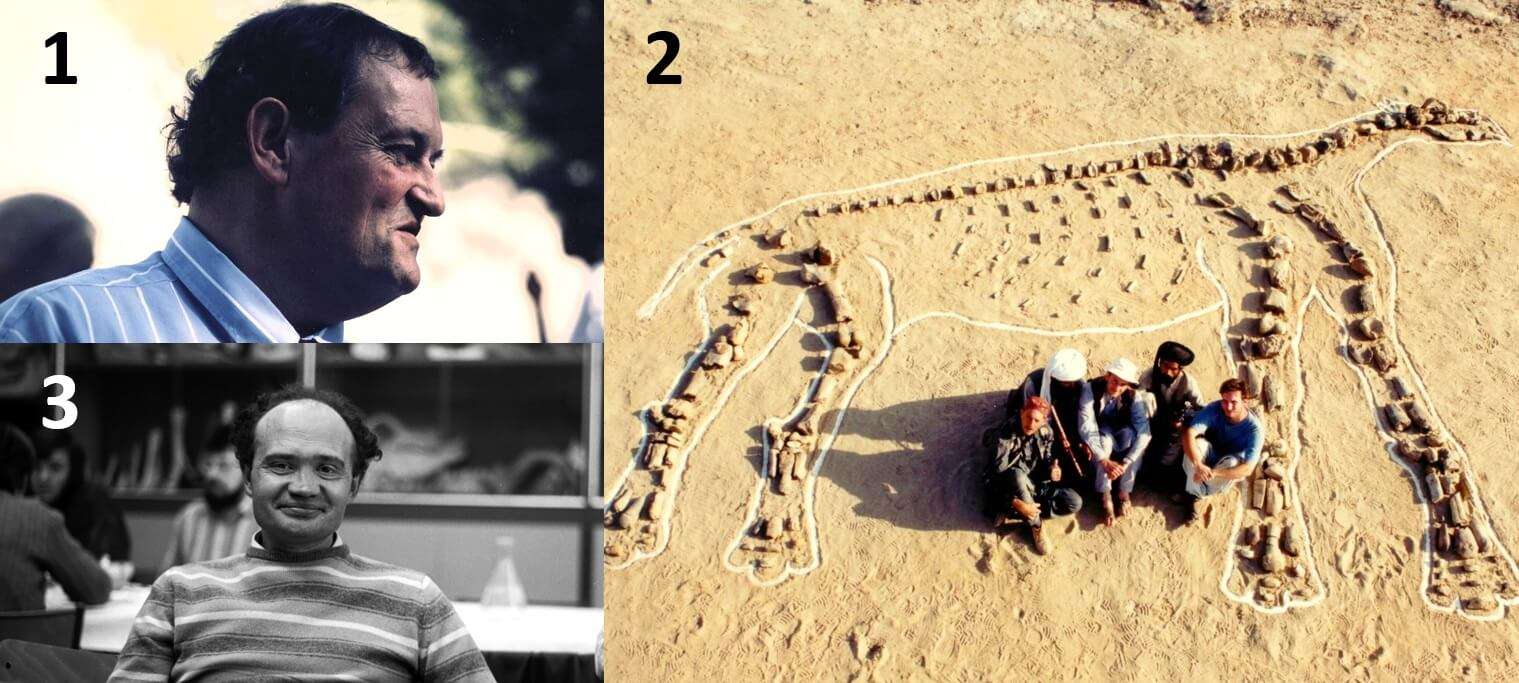
1) Jean-Jacques Jaeger dans les années 90 2) Fouilles au Pakistan pour l’équipe de Paléontologie dont Jean-Loup Welcomme Laurent Marivaux, Grégoire Métais avec une reconstitution du Baluchitherium ©Laurent Marivaux 3)Bernard Delay à l’ISEM, fin des années 80
1) Jean-Jacques Jaeger in the 1990s ©All rights reserved ✦ 2) Excavations in Pakistan for the Palaeontology team including Jean-Loup Welcomme, Laurent Marivaux, Grégoire Métais, with a reconstruction of Baluchitherium ©Laurent Marivaux ✦ 3) Bernard Delay at ISEM, late 1980s ©Michel Raymond

ISEM in the 1990s: Internal Consolidation and Institutional Dissemination

In 1991, Louis Thaler stepped down as director of the institute. He passed leadership to Jean-Jacques Jaeger, who had returned to ISEM two years earlier to prepare for the succession. Recruited as an assistant professor of Palaeontology at the University of Montpellier in 1967, J.-J. Jaeger had been appointed professor at Pierre and Marie Curie University (Paris) in 1979. Shortly after this handover, Thaler became head of research training and student placement at the École Normale Supérieure in Paris, but returned to ISEM the following year, as the position did not meet his expectations. During Jaeger’s two terms, ISEM, then undergoing rapid growth, was reorganised into four departments, each associating several teams: Palaeontology, Phylogeny and Palaeobiology (directed by J.-J. Jaeger); Genetics and Environment (Nicole Pasteur, then Janice Britton-Davidian); Palaeoenvironments (Denis-Didier Rousseau, arriving from Columbia University); and Botany, Palaeobotany and Palaeontology (Jean Galtier then Raimund Feist), which operated from 1994 to 2002.

This period was also marked by departures. At the initiative of ISEM researchers and with the support of the National Centre for Scientific Research, CNRS, two autonomous research units were created. In 1991, Jean-Louis Vernet founded the “Palaeobotany, Environment and Archaeology” unit, later the “Centre for Bioarchaeology and Ecology” (CBAE). This project, benefiting from available facilities at the Institute of Botany and its own momentum, aimed to develop with greater visibility research at the interface of palaeobotany, ecology, and archaeology. Likewise, François Bonhomme founded the “Genome and Populations” unit in 1992, whose name later evolved into “Genome, Populations, Interactions and Adaptation” (GPIA). Bonhomme disagreed with ISEM’s management regarding a proposed molecular biology core facility, which he considered overly focused on the rapidly expanding field of molecular phylogeny, to the detriment of the structural needs of ISEM’s historic genetics teams. He therefore chose to create his own unit for promoting evolutionary molecular biology within an independent framework. These two units, after notable trajectories, later rejoined ISEM: GPIA in 2007 and CBAE in 2015.

In 1996, Bernard Delay was appointed head of the Centre for Functional and Evolutionary Ecology (CEFE) in Montpellier. In order to rebuild the team on the evolution of reproductive systems originally founded at ISEM, he was joined in 1999 by his group, including Philippe Jarne, recruited at ISEM six years earlier and who would in turn direct CEFE in 2011.

When J.-J. Jaeger stepped down from the directorship of ISEM at the end of 1998, Nicole Pasteur became head of the institute until 2006. With palaeontology professor Monique Vianey-Liaud as deputy director, ISEM was then led by two women.

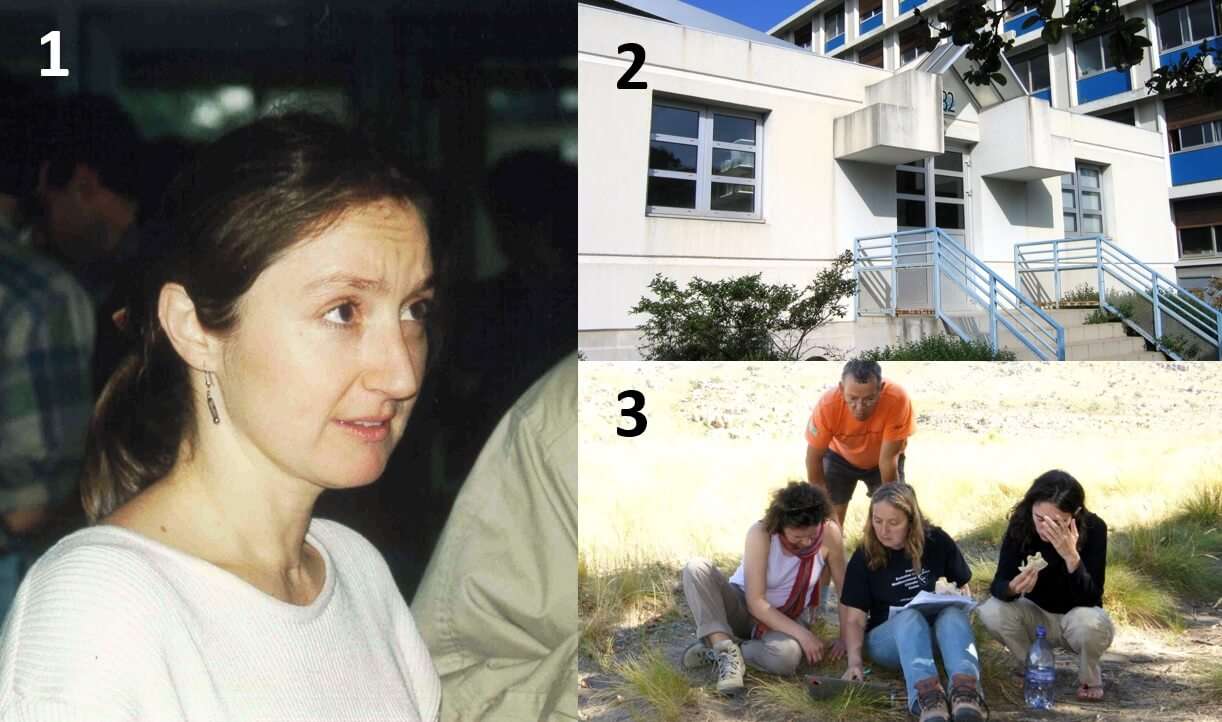
1) Isabelle Olivieri 2) Bâtiment 32 abritant le service commun de Biologie Moléculaire 3) Agnès Mignot, Tony Rebello, Isabelle Olivieri et Jeanne Tonnabel sur le terrain en Afrique du Sud (2010)
1) Isabelle Olivieri ©Michel Raymond ✦ 2) Building 32 housing the Molecular Biology core facility ©Jean-Christophe Auffray ✦ 3) Agnès Mignot, Tony Rebello, Isabelle Olivieri, and Jeanne Tonnabel in the field in South Africa 2010 ©Eric Vindimian

Rise of Integrative and Theoretical Approaches, and Modeling

This decade was marked by several major methodological advances that permanently transformed research practices at ISEM. Under Jaeger’s leadership, the unit obtained funding to build Building 32 on the Triolet campus, intended to host a molecular biology core facility. Led by François Catzeflis, this facility became a driving force in the development of molecular phylogeny. It played a key role in bringing molecular and palaeontological approaches closer together, enriching the understanding of evolutionary relationships among taxa as well as of some evolutionary processes. For the first time, palaeontology and molecular phylogeny teams were brought together within the same department: “Palaeontology, Phylogeny and Palaeobiology.”

Three other innovations strengthened dialogue between present and past. The morphometrics core facility, entrusted to Jean-Christophe Auffray, developed geometric morphometrics applicable both to living organisms and fossils, facilitating their joint analysis. The palaeobotany team, with the recruitment of Nick Rowe, introduced biomechanics to analyse the evolution of plant growth forms. Finally, the setting up in the late 1990s of a mass spectrometry service for isotopic ratio analysis, led by Ilham Bentaleb, enabled detailed palaeoenvironmental reconstructions and comparisons with modern ecosystems. This facility operated for around twenty years.

This was also a turning point for quantitative and theoretical approaches. In molecular genetics, the widespread use of PCR made it possible to study genetic variation at unprecedented scales, through mitochondria or microsatellites. To analyse population data, Michel Raymond and François Rousset developed GenePop (1995), an emblematic software package that was in 2025 the ISEM’s most cited publication and the third most cited from the Montpellier site. At the same time, modeling flourished in ecology and evolutionary genetics, driven by the arrival in 1993 of Isabelle Olivieri, the university’s first professor of population genetics, and the recruitment of François Rousset by CNRS. This field was further strengthened with the arrival of Michael Hochberg in 2000. After profoundly reforming the Palynology Laboratory, Denis-Didier Rousseau supported the arrival in 1999 of Dominique Jolly, who in turn developed modeling for palaeoenvironmental reconstructions, especially in tropical contexts.

This momentum was accompanied by national recognition of ISEM members (present, future, or former): CNRS Bronze Medals for Michel Raymond (1991) and Philippe Jarne (1994), and CNRS Silver Medals for François Bonhomme (1996), Michael Hochberg (1997), and Michel Raymond (1998).

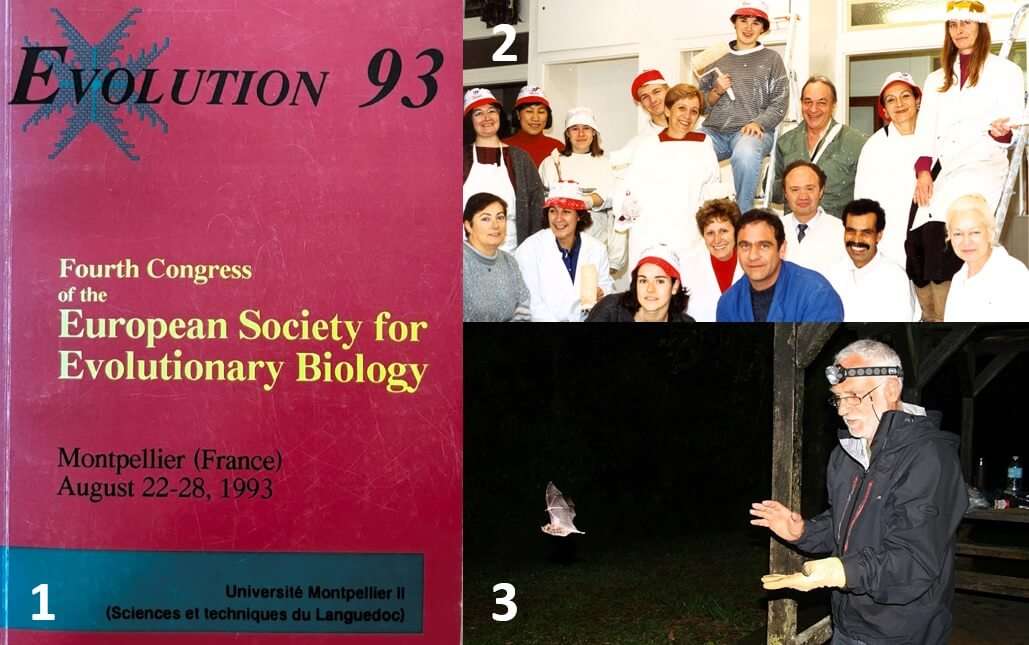
1) Couverture du livre des résumés du congrès international « Evolution 93 » 2) Réfection des locaux de Génétique et Environnement en 1993 (de gauche à droite, en bas : Maité Marquine, Christine Chevillon, Florence Plénat, Josette Catalan, Gilbert Pistre, Bernard Delay, Hassen Ben Cheikh, Denise Heyse ; en haut : Clothide Bernard, Qiao Chuan Ling, Claudie Doums, Philippe Jarne, Nicole Pasteur, Fabienne Fel, Louis Thaler, Jacqueline Grobert, Janice Britton-Davidian 3) François Catzeflis
1) Cover of the abstract book of the international congress ‘Evolution 93’ ✦ 2) Renovation of the Genetics and Environment premises (1993) From left to right, bottom row: Maité Marquine, Christine Chevillon, Florence Plénat, Josette Catalan, Gilbert Pistre, Bernard Delay, Hassen Ben Cheikh, Denise Heyse; top row: Clothide Bernard, Qiao Chuan Ling, Claudie Doums, Philippe Jarne, Nicole Pasteur, Fabienne Fel, Louis Thaler, Jacqueline Grobert, Janice Britton-Davidian ©Michel Raymond ✦ 3) François Catzeflis ©Chantal Benassy

ISEM as Leader of the Biology–Evolution–Environment Sector at University of Montpellier

In 1989, the University of Sciences and Technology of Languedoc (USTL) officially became University Montpellier 2 (UM2), a name it retained until its merger with University Montpellier 1 in 2015 to form today’s University of Montpellier. That same year, UM2 adopted new statutes establishing twelve research departments, including the Biology–Evolution–Environment (BEE) department, created by Louis Thaler and Michel Amanieu. It was directed by Amanieu in 1991, then Bernard Delay (1991–1995), and Nicole Pasteur into the 2000s. A strictly university-based structure, BEE grouped UM2 laboratories in these fields, foremost among them ISEM, but also those of M. Amanieu, F. Bonhomme, J.-L. Vernet, and Jean-Paul Trilles. Major units external to UM2, such as CEFE, were only officially integrated in the early 2000s when the university became one of their supervising institutions. This department played a major role in structuring research in evolutionary biology and ecology in Montpellier. A precursor to today’s thematic cluster “Agriculture, Environment, Biodiversity” (AEB) at the University of Montpellier, BEE helped harmonize scientific strategies across UM2 units: recruitment profiles, staff distribution, space management, support for young recruits, and prioritising projects for university and regional funding.

In 1999, CEFE and ISEM, together with GPIA (directed by F. Bonhomme) and CEPM (Centre for the Study of Microorganism Polymorphism, directed by Michel Tibayrenc; ancestor of MIVEGEC unit), created a Federative Research Institute (IFR) “Dynamics of Evolution,” directed by Finn Kjellberg (CEFE). Another IFR, “Montpellier Environment Biodiversity” (MEB), again led by ISEM and CEFE, was created in 2002 under Nicole Pasteur and brought together up to 17 laboratories in the region. The emergence of these research federations at the end of the 1990s marked a new dynamic of shared platforms and scientific coordination, which would intensify in the 2010s with the creation of the Laboratory of Excellence “Mediterranean Centre for Environment and Biodiversity” (LabEx CeMEB), continuing their missions.

Among the decade’s landmark events was “Evolution 93,” the 4th Congress of the European Society for Evolutionary Biology (ESEB), organised at University Montpellier 2 in 1993 on the initiative of François Catzeflis. The event brought together 870 participants from 55 countries. This success helped establish Montpellier’s international reputation in the evolutionary sciences.

Upon his return to Montpellier in 1989, Jean-Jacques Jaeger created the multi-site Master’s programme in Palaeontology (Montpellier, Poitiers, Rennes), which trained a large part of France’s highly dynamic palaeontological community. In 1995, Louis Thaler handed over leadership of the Master’s programme in Evolutionary Biology and Ecology to Bernard Delay.

After directing both ISEM and BEE, Louis Thaler remained active following his return from ENS, notably as founder and director (1994–1998) of the Doctoral School of Integrative Biology.

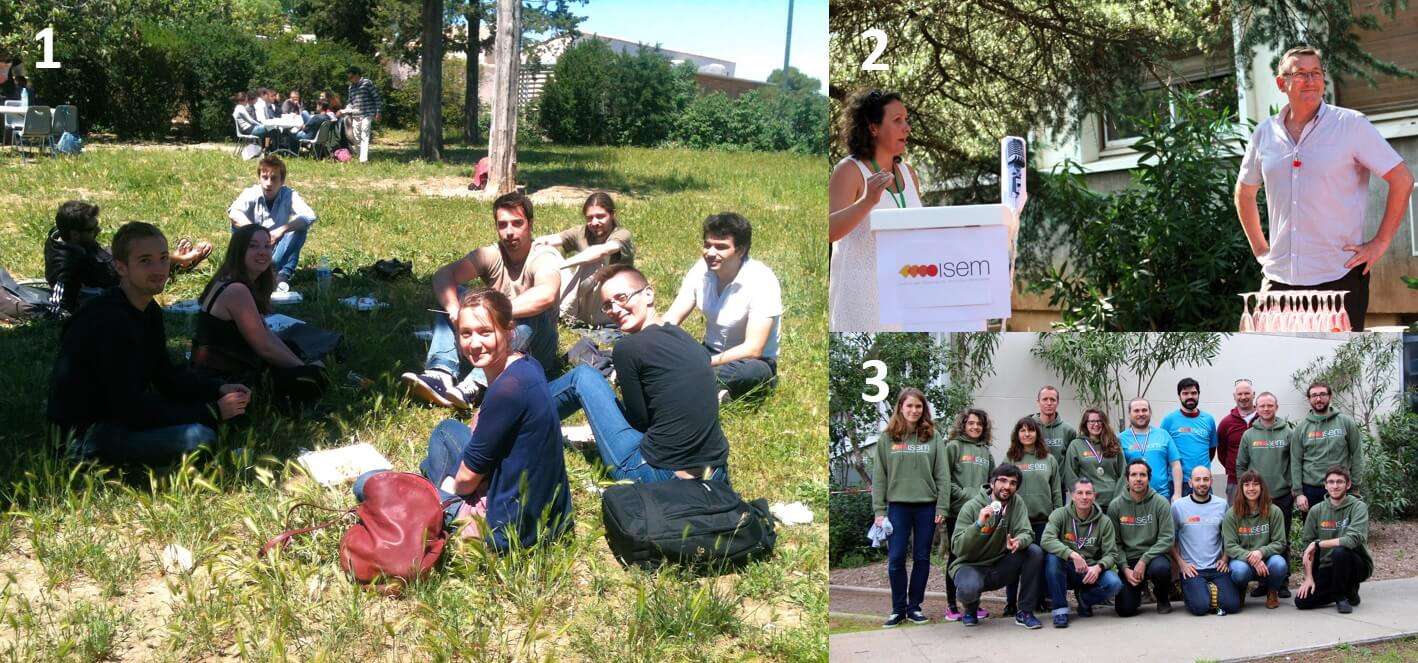
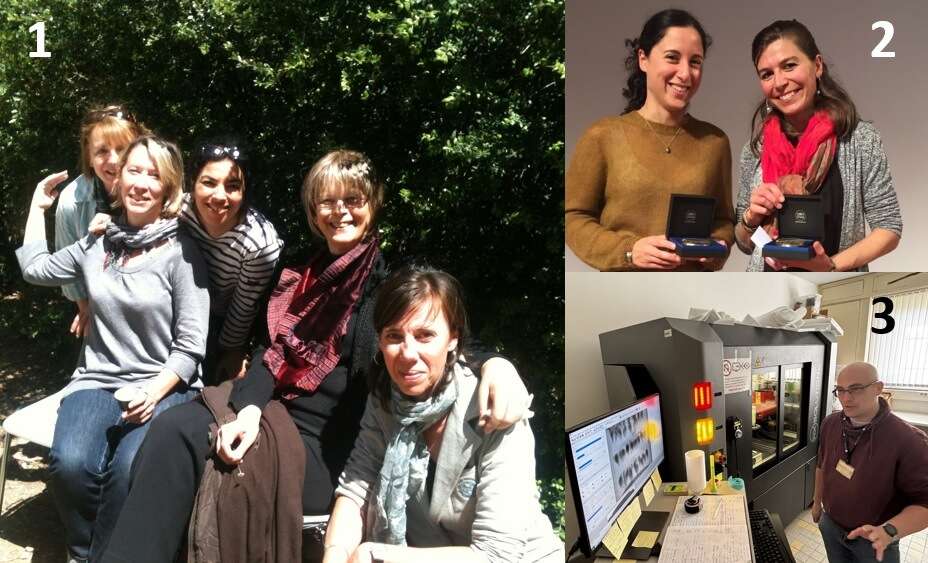
1) Pause déjeuner lors de la journée des doctorants 2012 2) Pot de départ de Jean-Christophe Auffray et cérémonie de « Passation des clés de l’ISEM » de à Agnès Mignot en juillet 2013 3) Equipe ISEM du Marathon de Montpellier en 2018 (de gauche à droite, en haut : Marion Lestienne, Catherine Breton, Sandra Unal, Laurent Brémond, Marjolaine Roussel, Johan Anciaux, Sérgio Ferreira Cardoso, Pierrick Labbé, Lionel Hautier, Rudy Caparros Megido ; en bas : Vasilis Dakos, Pierre-Olivier Antoine, Frédéric Delsuc, Alout Haoues, Manon Bonneau, Gwénaël Magne)
1) Lunch break during Doctoral Students’ Day (2012) ©All rights reserved ✦ 2) Farewell gathering for Jean-Christophe Auffray and “Passing of the Keys of ISEM” ceremony to Agnès Mignot in July 2013 ©Fadela Tamoune ✦ 3) ISEM team at the Montpellier Marathon 2018 ©Fadela Tamoune

Institutional Expansion and the Internationalization of ISEM

On June 18, 2002, Louis Thaler died suddenly in a road accident. At 72, the founder of ISEM remained a central figure of the institute and was still highly active within the doctoral school. When it was created in 1981, ISEM had around fifty permanent staff members. By 2019, that number had risen to 158, and to 272 when doctoral students, postdoctoral researchers, engineers, and non-permanent technical staff are included. The scientific vitality of ISEM was also reflected in its doctoral training activity: between 2014 and 2019, around fifteen PhD theses were defended each year.

Until the end of Nicole Pasteur’s terms in 2006, ISEM retained an organisation inherited from previous periods. In 2001, the palaeobotany group (Jean Galtier) joined the CIRAD Plant Architecture Modeling Workshop (AMAP), which later became the research unit of the same name. Jean-Christophe Auffray succeeded Nicole Pasteur in 2007. From that year onward, ISEM entered a new phase of expansion marked by the integration of several research structures and the arrival of new supervisory institutions : the Institute for Sustainable Development (IRD), the Agricultural Research Centre for International Development (CIRAD), the Ecole Pratique des Hautes Etudes from University Paris Sciences Lettres (EPHE-PSL), the National Institute for Preventive Archaeological Research (INRAP). ISEM then reabsorbed the Genome, Population, Interaction and Adaptation laboratory, GPIA, directed by François Bonhomme, whose members contributed to the creation of a new “Integrative Biology” department. With the aim of strengthening innovation and applied research, ISEM integrated in 2011 the IRD unit Characterization and Utilization of Ichthyological Diversity for Sustainable Aquaculture, CAVIAR, directed by Marc Legendre, specializing in fish diversity and sustainable aquaculture. The institute then adopted a new structure of five departments: “Genome,” “Diversity,” “Form,” “Conservation-Domestication,” and “Environment,” which remained in place until 2019. Among the new members joining ISEM, Jean-Christophe Avarre would later become, in 2024, director of the IRD department “Ecology, Biodiversity and Functioning of Continental Ecosystems.” When Agnès Mignot became director of the institute in 2013, she continued this dynamic and led the reintegration of the Centre for Bio-Archaeology and Ecology, CBAE, directed by Jean-Frédéric Terral. This team merged with the “Environment” department, which became “Palaeoenvironments,” reaffirming the reality of dialogue between past and present. Finally, the CIRAD AquaTrop group, led by Jean-François Baroiller, joined ISEM, consolidating its activities in aquaculture. The arrival of IRD and CIRAD among its supervisory institutions further strengthened ISEM’s partnerships with countries of the Global South.

This period was also accompanied by a deep reorganisation of administrative functions. In 2007, ISEM established a genuine general secretariat and an administration-management division, structured and led by Brigitte Zattara until 2012, then by Sébastien Gibert. Also in 2007, the Doctoral Students’ Day was created. Organised from the outset outside the institute’s premises, it aimed to encourage participation in all sessions and strengthen exchanges between departments in a convivial setting.

At the turn of 2019–2020, Agnès Mignot, having become Deputy Scientific Director of the Institute for Ecology and Environment (INEE) of the National Centre for Scientific Research (CNRS), handed over the directorship of ISEM to Nicolas Galtier, opening a new chapter in the institute’s history.

1) Une partie de l’équipe de l’ISEM à la journée des doctorants 2012 (Isabelle de la Serre, Claire Gougeat-Barbera, Fadela Tamoune, Brigitte Zattara, Christine Bibal 2) Remise de la médaille de Bronze CNRS à Sonia Kéfi et Elise Huchard (2017) 3) Service de microtomographie de l’ISEM et son responsable Renaud Lebrun
1) Part of the ISEM team at Doctoral Students’ Day (2012): Isabelle de la Serre, Claire Gougeat-Barbera, Fadela Tamoune, Brigitte Zattara, Christine Bibal ©All rights reserved ✦ 2) Award ceremony of the CNRS Bronze Medal to Sonia Kéfi and Élise Huchard (2017) ©Fadela Tamoune ✦ 3) ISEM microtomography service and its head, Renaud Lebrun ©Jean-Christophe Auffray

ISEM: Balancing Excellence, Support, and Collective Strength

At the turn of the 2000s, when research funding shifted toward a competitive model based on project calls, ISEM was already prepared. From the 1980s onward, Louis Thaler had encouraged the search for external funding, a dynamic reinforced in 1999 by Nicole Pasteur. In the early 1990s, despite internal resistance, Jean-Jacques Jaeger introduced the allocation of team budgets based on scientific output. These pioneering choices enabled the institute to adapt immediately to the new context and to distinguish itself in the first calls of the National Research Agency (ANR) in 2005, and the European Research Council (ERC) in 2007. In 2007, Jean-Christophe Auffray introduced an overhead levy on project funding, reinvested into shared resources. ISEM thus developed an original internal funding model, both incentive-based and supportive, capable of absorbing uncertainties while guaranteeing lasting support for teams. From 2013 onward, Agnès Mignot reinforced this system by supporting the installation of newly recruited staff and continued to value the diverse missions—training, partnership development, activities in the Global South—initiated by her two predecessors. Service to the collective thus remained fully recognized.

At the same time, research at ISEM underwent profound transformations. Major questions—adaptation, speciation, innovation—remained central but were renewed through the rise of massive datasets and bioinformatics, allowing an integrated approach to evolutionary mechanisms from genes to the biosphere. Research themes broadened toward applied issues, particularly global change and sustainable development, while new frameworks emerged (experimental evolution, evolutionary medicine), and field sites diversified (notably South America in palaeontology). This movement was accompanied by increased dialogue with the humanities and social sciences, strengthening transversal and integrative approaches, of which human evolutionary biology became an emblematic example.

This period was also marked by the development of technological facilities (genotyping-sequencing, microtomography, etc.) shared across the Montpellier site through structures such as IFRs and LabEx (Laboratory of Excellence) programmes. ISEM engineers and technicians adapted to these changes, trained in new methods, and provided new technologies. They organised themselves into core facilities (Environmental Genomics, Bioindicators, Geomatics, Collections, etc.), strengthening their responsibilities and autonomy while improving the distribution of technical support and collaboration between teams. More broadly, collective life was organised around numerous working groups, ranging from traditional functions (health and safety, training correspondents) to more original initiatives such as the Cold Team (monitoring and management of cold-storage spaces) or quality-of-work-life workshops, contributing to the cohesion of the institute.

ISEM developed an active strategy of knowledge transfer through industrial partnerships and innovative tools. Its work on mitochondrial morphology led to imaging software and collaborations with cosmetics companies. In the marine field, the LabCom “Air to Sea” enabled the development of 3D mapping technologies and the creation of a start-up emerging from this research. In molecular diagnostics, ISEM developed patented methods for pathogen detection in aquaculture, accompanied by software and industrial licenses. Together, these achievements illustrate a strong capacity to transform fundamental research into concrete and economically valued applications.

This momentum was accompanied by a harvest of CNRS medals awarded to members, former members, or former doctoral students of ISEM: Silver Medals to Isabelle Olivieri (2007), Denis-Didier Rousseau (2007), Stéphanie Thiébault (2008), Frédérique Viard (2017), and Nicolas Galtier (2019); Bronze Medals to Patrice David (2002), Laurent Marivaux (2007), Frédéric Delsuc (2010), Élise Huchard and Sonia Kéfi (2017); Crystal Medals to Danielle Duzer (2002), Annie Orth (2007), and Érick Desmarais (2014). During the same period, several ISEM members became laureates of the Institut Universitaire de France (IUF): Isabelle Olivieri (senior, 2008), Adam Ali (junior, 2015), and Pierrick Labbé (junior, 2018), along with other distinctions such as the Descartes-Huygens Prize awarded to Isabelle Olivieri (2002) and the Mottart Prize of the French Academy of Sciences awarded to Mylène Weill (2017).

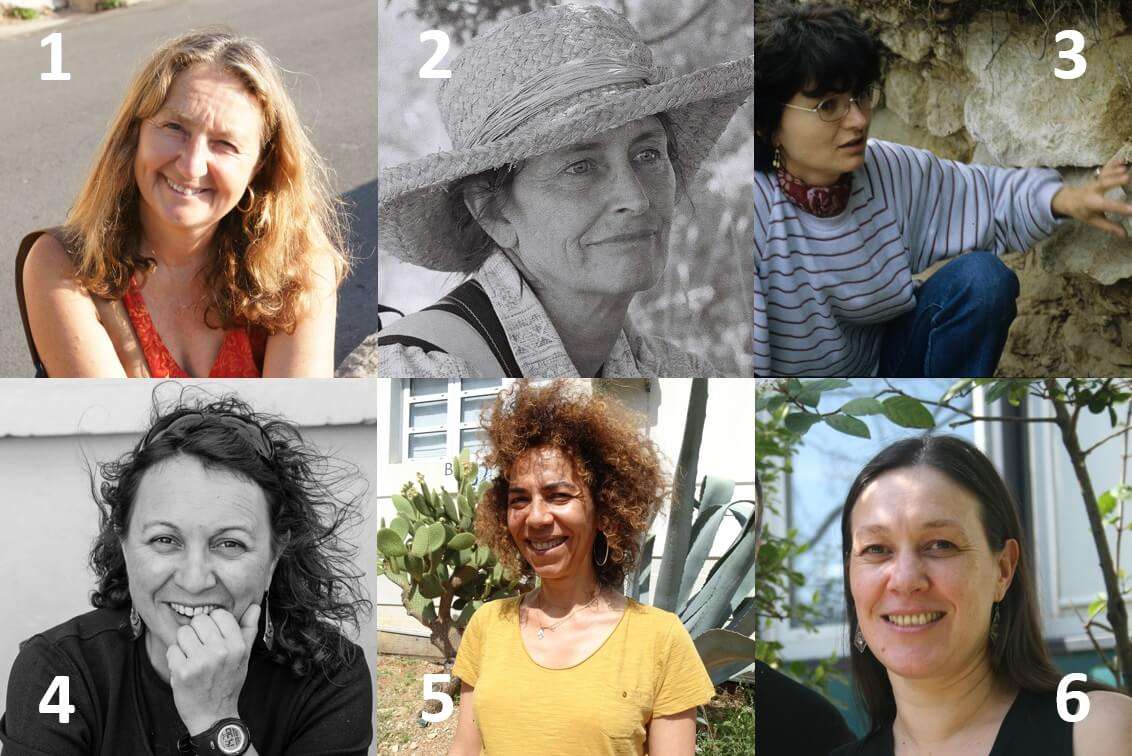
1) Isabelle Olivieri 2) Janice Britton-Davidian 3) Monique Vianey-Liaud 4) Agnès Mignot 5) Mylène Weill 6) Ophélie Ronce
1) Isabelle Olivieri ©All rights reserved ✦ 2) Janice Britton-Davidian ©Jean-Claude Davidian ✦ 3) Monique Vianey-Liaud ©All rights reserved ✦ 4) Agnès Mignot ©Mark Kirkpatrick ✦ 5) Mylène Weill ©Fadela Tamoune ✦ 6) Ophélie Ronce ©Fadela Tamoune

ISEM in the Dynamics of the 2000s: Ecosystem, Training, and a Female Legacy

From the 2000s onward, national excellence policies (“Investment for the Future” Programme, France 2030) encouraged the structuring of research at the level of local sites and fostered closer collaboration between universities, research organisations, and laboratories. In this context, ISEM established itself as a central actor in Montpellier by developing a strategic partnership with the Centre for functional and evolutionary evolution, CEFE, based on strong scientific affinities. This dynamic notably took shape with the creation in 2010 of the Laboratory of Excellence “Mediterranean Centre for Environment and Biodiversity” (LabEx CeMEB), led by Jean-Dominique Lebreton (CEFE), in continuity with the IFR “Montpellier Environment Biodiversity” established by Nicole Pasteur in 2002. Over a period of fifteen years, the LabEx CeMEB, which brought together up to ten research units, was successively directed by members of ISEM (Agnès Mignot and Pierre Boursot), CEFE (Philippe Jarne and Eric Garnier), and the Marine Biodiversity, Exploitation and Conservation laboratory, MARBEC (Rutger DeWitt). CeMEB supported research, training, and the sharing of twelve technological platforms, five of which were hosted at ISEM. The institute also participated in the LabEx CEBA (Centre for Amazonian Biodiversity Studies). When the University of Montpellier obtained the I-SITE MUSE (Montpellier Université d’Excellence) label and structured its scientific priorities around internal excellence programmes known as the “Key Initiatives of MUSE” (KIM), ISEM became strongly involved in the KIM “Data Life Sciences,” illustrating its anchoring within Montpellier’s Bio-Math-Info community. The institute also became a founding member of the OREME, created in 2007 by Nicolas Arnaud (Geosciences Montpellier), which supports and structures the acquisition and dissemination of environmental data at the scale of the Montpellier research site.

During these two decades, training remained a central pillar of the activities of ISEM. The postgraduate programmes (“DEA”) in Biology of Evolution and Ecology and Palaeontology were transformed, following the “Bachelor-Master-Doctorate” reform (2004), into the “Darwin” and “Palaeontology/Palaeoenvironment” tracks of the Master’s degree in Biology, Ecology, and Evolution. They continued to train generations of researchers in these fields under the successive leadership of ISEM members: Michel Raymond, Agnès Mignot, and Emmanuel Douzery for the “Darwin” track; and Jacques Michaux, Dominique Jolly, Monique Vianey-Liaud, Laurent Marivaux, Fabrice Lihoreau, and Sylvain Adnet for the palaeontology track. Internationalization was further strengthened with the creation in 2010 by Isabelle Olivieri of the Erasmus Mundus Master’s programme in Evolution (MEME), in partnership with the universities of Munich, Groningen, Uppsala, Harvard, and Montpellier. At the university level, ISEM faculty members took responsibility for numerous academic programmes and teaching departments. In 2000, Monique Vianey-Liaud became Director of Research and Doctoral Studies (DRED) at the university, while Bernard Godelle headed the “Integrated systems in Biology, Agronomy, Geosciences, Hydrosciences and Environment” doctoral school in 2007 before becoming Vice-President for Research at University Montpellier 2 in 2012.

Twenty-five years after “Evolution 93,” the Montpellier community in evolutionary biology organised the international conference “Evolution 2018” in Montpellier, under the impetus of Ophélie Ronce (ISEM) and Ioannis Michalakis (from the “Infectious Diseases and Vectors Ecology Genetics Evolution and Control” laboratory, MIVEGEC). The event brought together at the Corum conference centre the four major scientific societies in the field (the European Society for Evolutionary Biology, ESEB, the American Society of Naturalists, ASN, the Society for the Study of Evolution, SSE, and the Society of Systematic Biologists, SSB) and nearly 2,700 participants. “Evolution 2018” was dedicated to the memory of Isabelle Olivieri, who had passed away two years earlier. A former president of ESEB, she remains a central figure in evolutionary ecology and at the Institute of Evolutionary Sciences of Montpellier. The following year, Janice Britton-Davidian, a pioneer of chromosomal speciation studies and a founding member of the institute, also passed away. Their loss profoundly affected ISEM, given the importance of their contributions to its scientific and human development. Their careers are part of a remarkable lineage of women who have shaped the institute’s history, including Nicole Pasteur, a leading figure and exceptional scientist, as well as Monique Vianey-Liaud, Agnès Mignot, Ophélie Ronce, Mylène Weill, and many others. From its very beginnings, ISEM has stood out as a place where women have been able to pursue scientific careers at the highest level. This legacy remains vibrant and continues to inspire current and future generations.

Ainou Hala_arrière plan

Ajoutez votre titre ici

En 1974, Louis Thaler, professeur de paléontologie à l’Université des Sciences et Techniques du Languedoc-Roussillon (USTL-Montpellier 2, Montpellier) ayant séjourné aux Etats-Unis dans les années 60, initie la première structuration pluridisciplinaire de la recherche en sciences de l’évolution en France.
Saisissant la portée scientifique et historique de la théorie synthétique de l’évolution amorcée aux Etats-Unis et en Grande-Bretagne, et convaincu de l’importance de mettre en lien des disciplines encore très cloisonnées pour comprendre l’évolution biologique, il crée le Centre de Recherches sur l’Évolution & de ses Mécanismes (CEREM), structure « hors-mur » qui met en lien des personnels de l’Université, de l’EPHE et du CNRS présents sur les campus de l’Université et du CNRS à Montpellier, spécialisés dans la paléontologie, la paléobotanique, la palynologie, la génétique, l’écologie et la biogéographie ou la biologie des organismes.

Un premier embryon de structure de recherche pluridisciplinaire autour des sciences de l’évolution à Montpellier

En 1974, Louis Thaler, professeur de paléontologie à l’Université des Sciences et Techniques du Languedoc-Roussillon (USTL-Montpellier 2, Montpellier) ayant séjourné aux Etats-Unis dans les années 60, initie la première structuration pluridisciplinaire de la recherche en sciences de l’évolution en France. Saisissant la portée scientifique et historique de la théorie synthétique de l’évolution amorcée aux Etats-Unis et en Grande-Bretagne, et convaincu de l’importance de mettre en lien des disciplines encore très cloisonnées pour comprendre l’évolution biologique, il crée le Centre de Recherches sur l'Évolution & de ses Mécanismes (CEREM), structure « hors-mur » qui met en lien des personnels de l’Université, de l’EPHE et du CNRS présents sur les campus de l’Université et du CNRS à Montpellier, spécialisés dans la paléontologie, la paléobotanique, la palynologie, la génétique, l’écologie et la biogéographie ou la biologie des organismes.