Biological evolution viewed from myriad angles
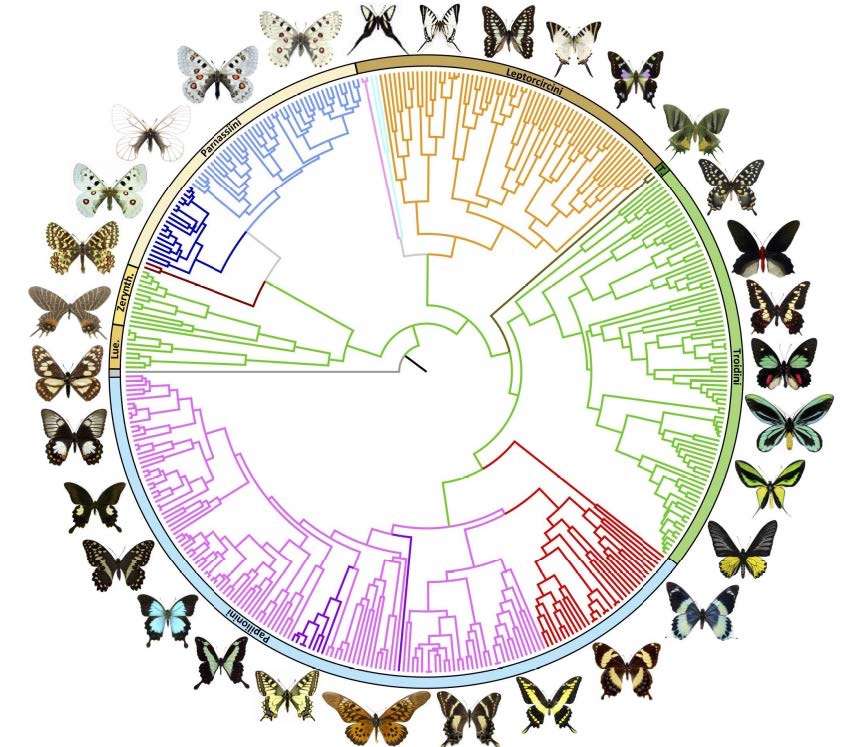
Research at ISEM is centred around our shared keyword, “Evolution”, and is characterised by a strong emphasis on the temporal dynamics in our understanding of living systems. Our work notably aims to reconstruct the history of species, populations, and communities through disciplines such as palaeontology, bioarchaeology, palaeoclimatic and palaeoenvironmental reconstructions, phylogenetics, population genetics, and the study of diversification patterns. We also seek to elucidate the mechanisms of biological evolution (adaptation/maladaptation, speciation, long-term interactions, reproductive systems), as well as those governing the spatio-temporal dynamics of communities and ecosystems, and the maintenance of biodiversity in the face of environmental change. This research covers all types of organisms (animals, plants, fungi, and microorganisms), all time scales (from the Palaeozoic to the present), all levels of biological organisation (from molecules to communities), and all environments—terrestrial or aquatic, natural or human-influenced, tropical or temperate.
An array of complementary approaches
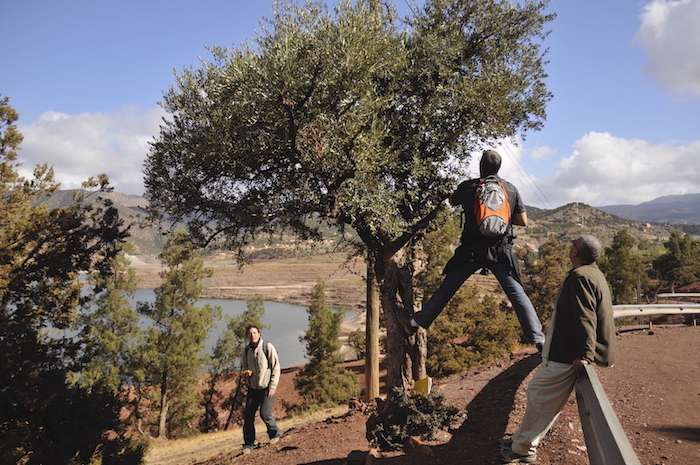
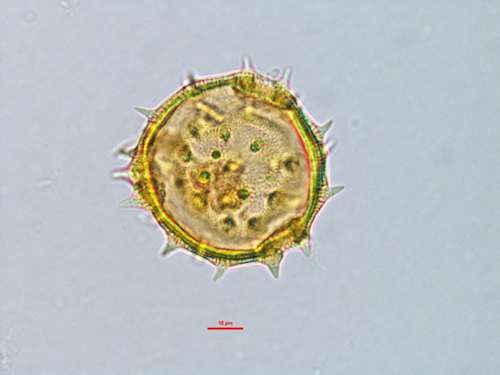
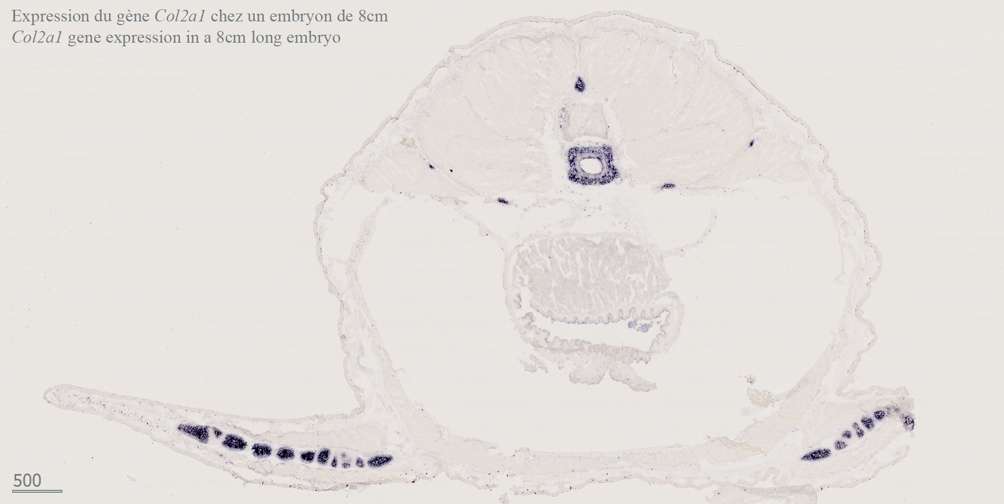
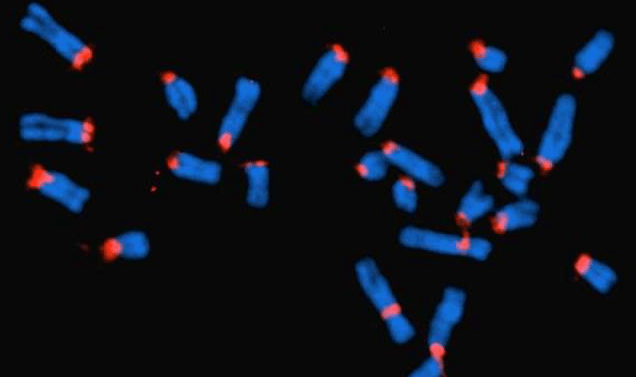
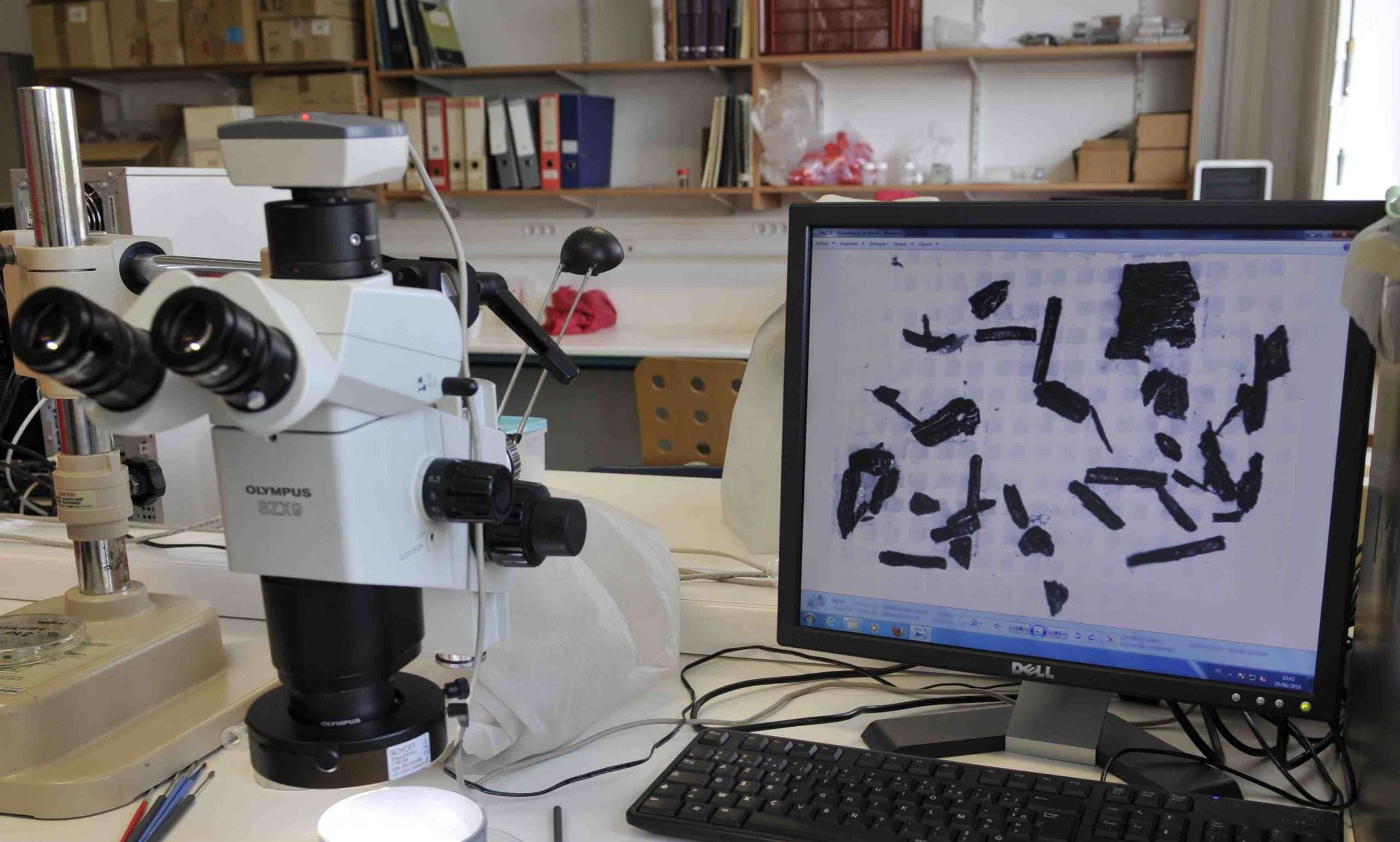
Research at ISEM is based primarily on the observation, description and characterisation of past and present biodiversity, through extensive fieldwork, locally, regionally and worldwide. These surveys and long-term monitoring studies enhance the collections (fossils, pollen, charcoal, seeds, tissues, molecules), databases (morphological and behavioural traits, DNA sequences) and genetic resources that constitute the wellspring of our research unit. Our research also involves laboratory experiments (molecular biology, cytogenomics, histology, trait measurement and analysis, etc.) to study relevant phenotypes (growth, fertility, development, behaviour, virulence, resistance, etc.), their genetic and environmental links (hybridization, quantitative genetics, acclimatization, high throughput genotyping), and their response under experimental evolution conditions. Finally, major modelling, biostatistics and bioinformatics developments in fields as varied as evolutionary genomics, ecosystem dynamics, geometric morphometry and evolutionary ecology are undertaken to interpret and synthesise these data and results.

Fundamental to applied research
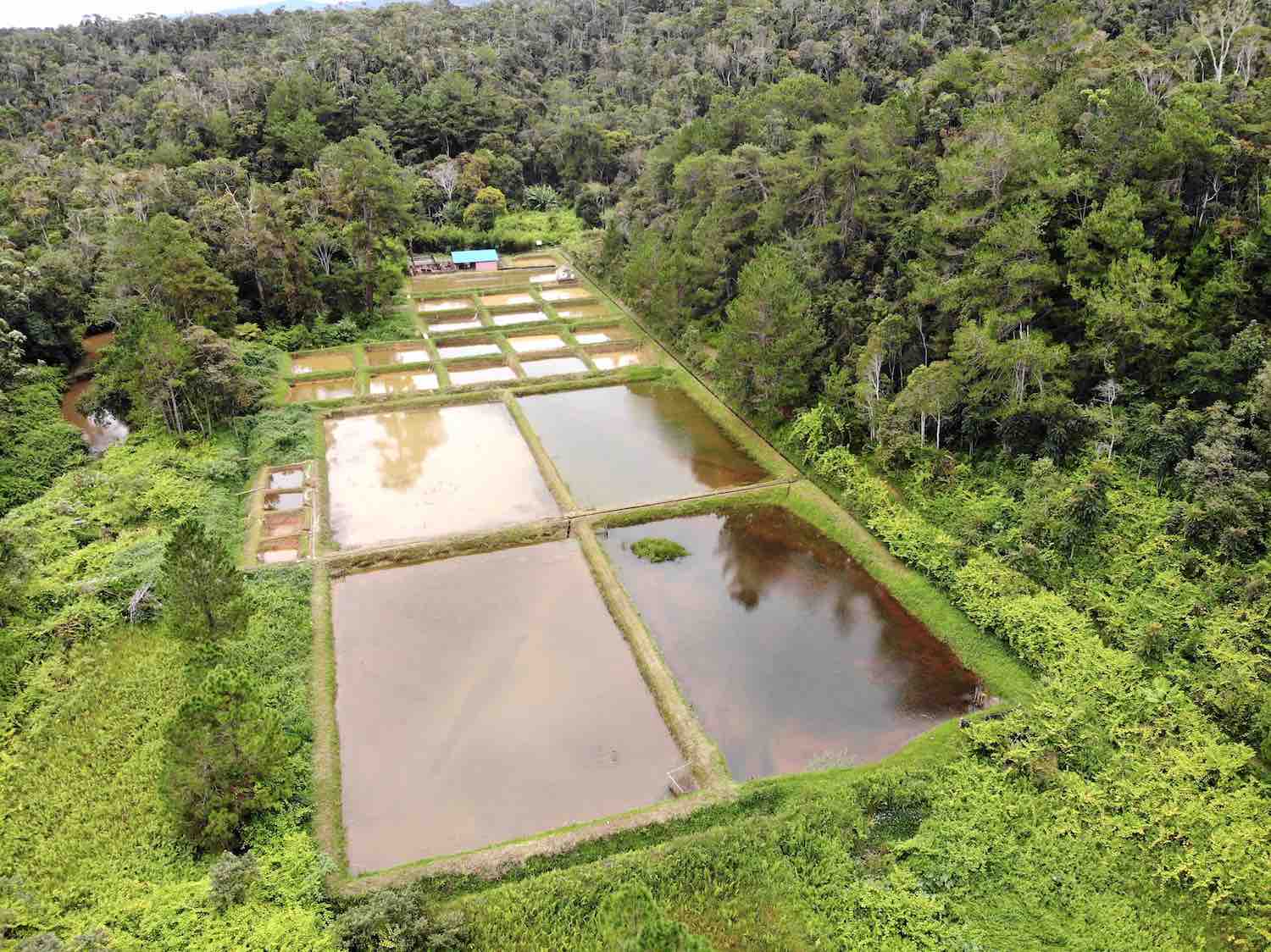
An extensive history of fundamental research is the cornerstone of our activity at ISEM, yet our work is also focused on current, tangible societal issues. Our research nurtures the biomedical sector through the exploration of evolutionary medicine concepts, the study of vectors of infectious diseases, and the biodiversity-health relationship, particularly in tropical environments. We are developing new animal health-friendly approaches in aquaculture breeding conditions in an intensification and emerging disease setting. Our research on the impact of past climatic and anthropogenic disturbances (global warming, forest fires, domestication) enables us to assess expected biosphere responses to environmental changes underway. Finally, our invasion biology and plant and animal conservation biology research places us in a whistleblower position with an intermediary role regarding the biodiversity crisis.
OFB project
Ilhem Bentaleb (PI), Isotopic studies of food webs within anthropogenically influenced ecosystems in the Pyrenees (ISOTROPH-PYR), 2026-2028